
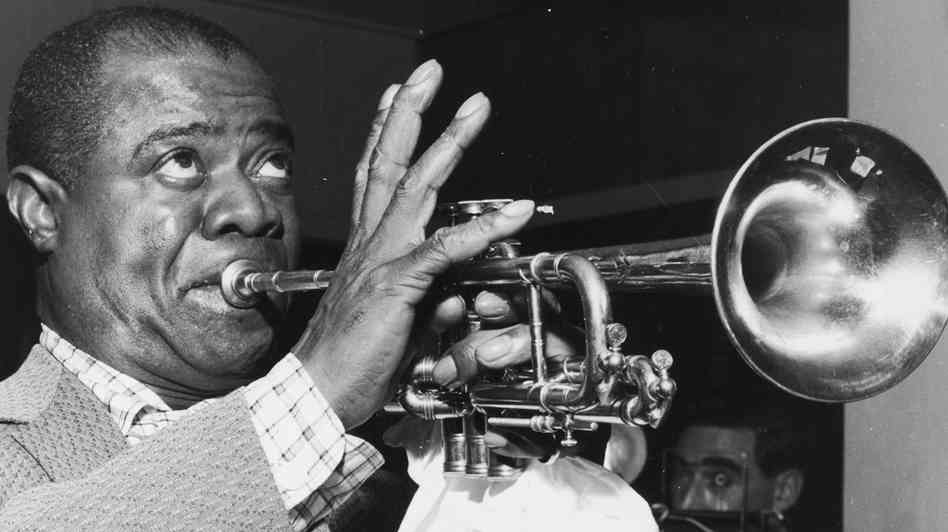
[Monday’s Note No. 4] Louis Armstrong is one of the most charismatic characters in jazz history. Of humble origins, he survived a childhood full of dangers, and it almost seems as if a guardian angel lived on his shoulder and that nothing could disturb his extraordinary optimism. We listen to and analyse his performance of…Continue readingLouis Armstrong, West End Blues. Trumpeter singer and showman
Tag: trumpet
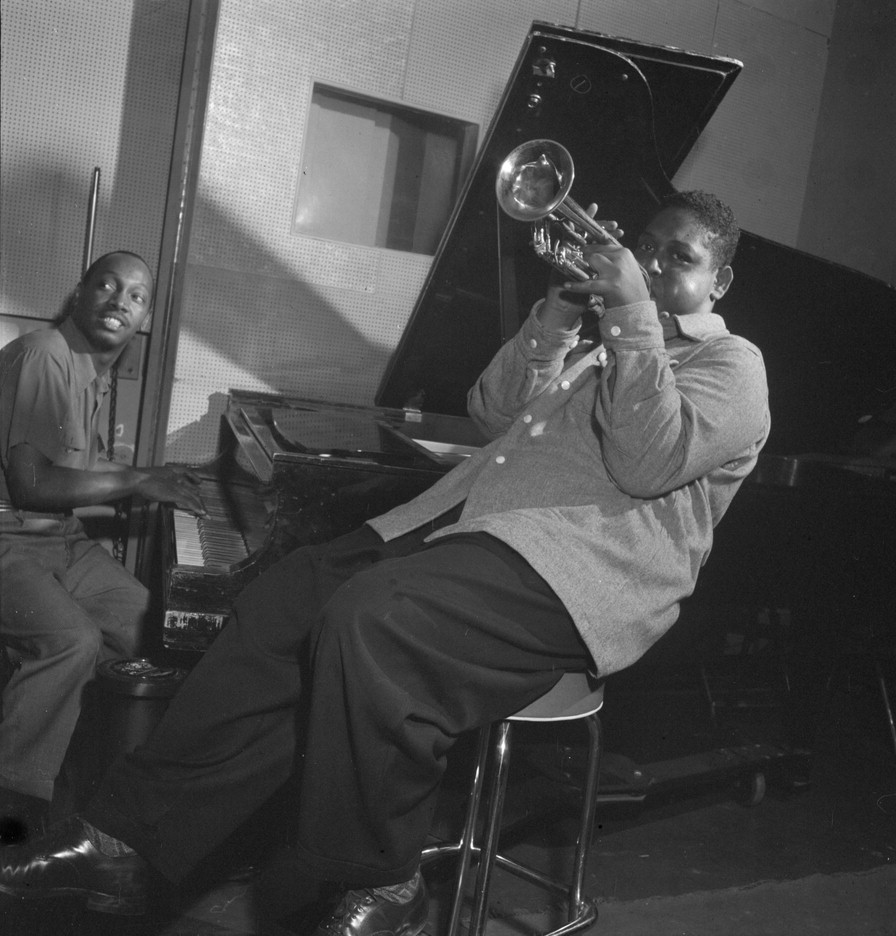
[Monday Note No. 84] Lady Bird is one of the most famous pieces composed by Tadd Dameron, one of the most important pianists and arrangers for the rise of bebop. Lady Bird is an extremely simple and compact piece, consisting of only 16 measures in which, however, a lot happens.Continue readingTadd Dameron, Lady Bird. 16 measures for playing jazz

[Monday’s Notes No. 80] The picture of the slacker who stays at home drinking while his wife works to support the family is recurrent in the blues. In fact, in certain historical periods it was easier for a black woman to find work as a servant than for a man. Thirsty Mama Blues by Hot…Continue readingHot Lips Page, Thirsty Mama Blues. A classic blues tale.
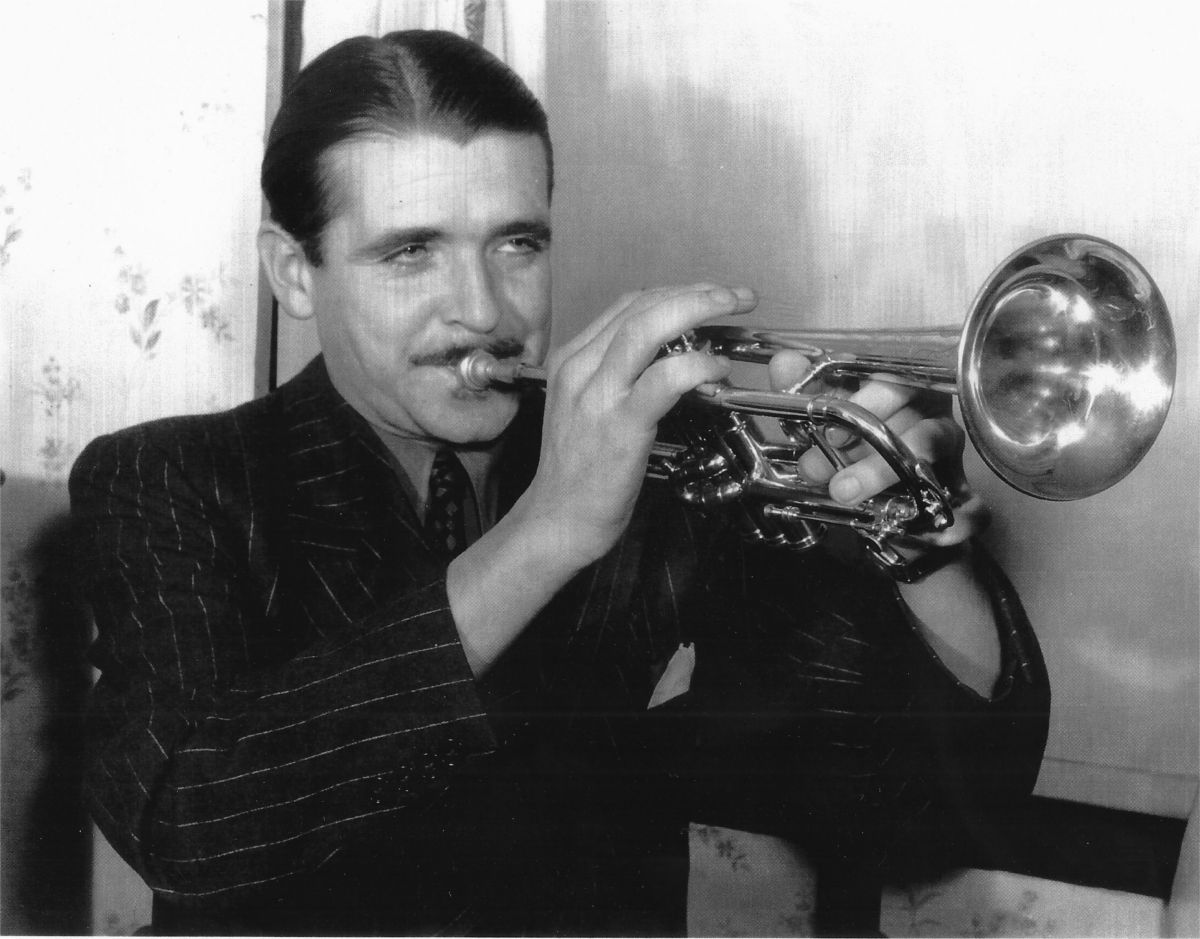
[Monday Notes no. 76] Bunny Berigan was one of the greatest trumpet players of the 1930s, esteemed and requested by many musicians including Benny Goodman and Tommy Dorsey. In the song entitled I Can’t Get Started we can appreciate his prowess as a trumpeter, but also his personality and charisma as a singer.Continue readingBunny Berigan, I Can’t Get Started. The Chet Baker of the 1930s
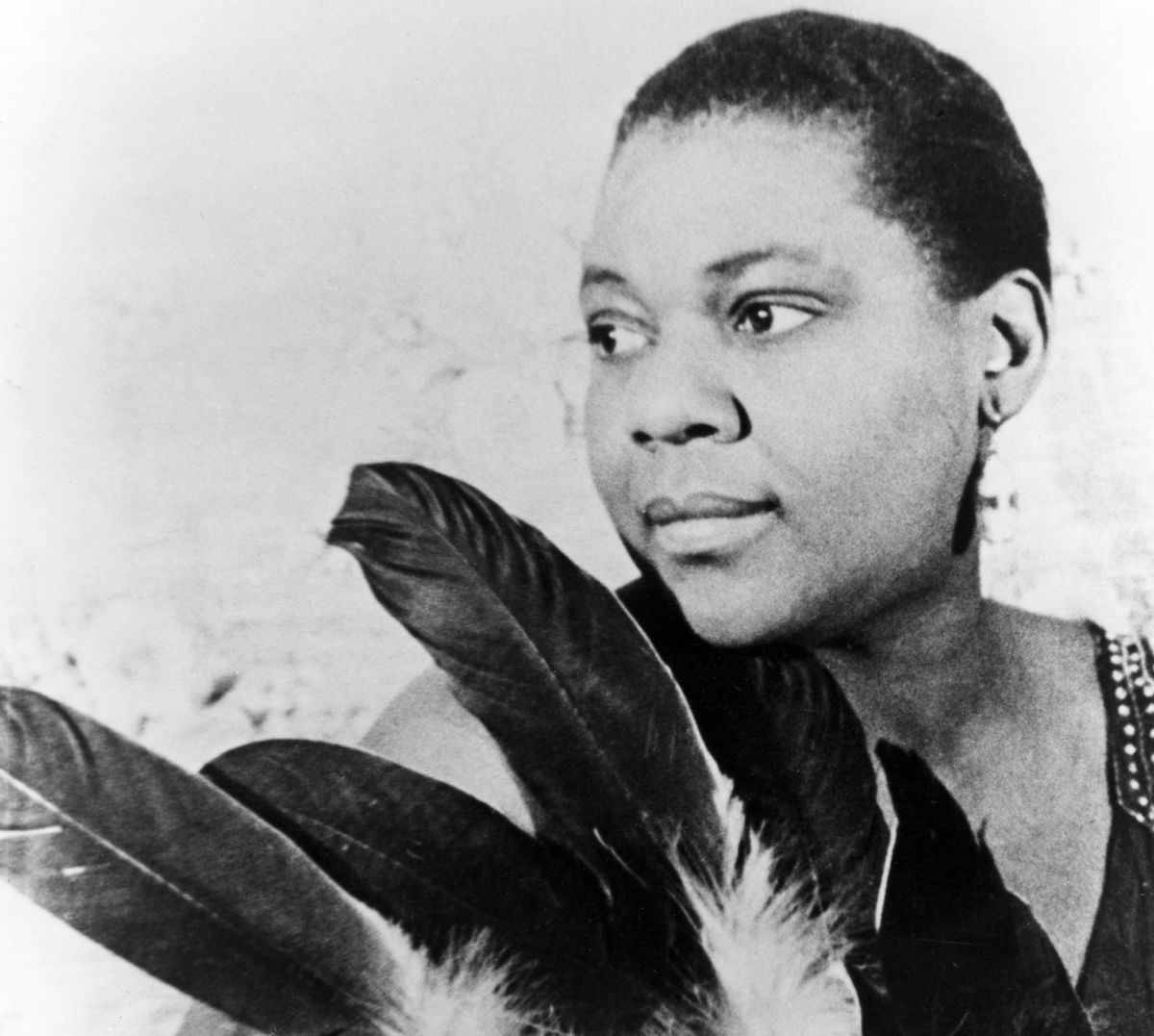
[Monday Notes No. 59] Both born at the turn of the century, Louis Armstrong and Bessie Smith recorded this duet on W.C. Handy’s St. Louis Blues in 1925. By the 1920s jazz was changing from the mainly collective music of the New Orleans groups to music where more emphasis was placed on individual improvisation.Continue readingBessie Smith & Louis Armstrong, St. Louis Blues

[Monday Notes No. 55] Gerry Mulligan was the inventor of the piano-less jazz group. Giving up the harmonic instrument, his quartet consisting of two woodwinds, double bass and drums favored polyphony and the freedom of the soloists, thus creating a new and different sound. Let’s analyze his performance of Bernie’s Tune.Continue readingBernie’s Tune, Gerry Mulligan and cool jazz

[Monday Notes no.54] Donald Byrd was one of the most important trumpet players of the hard bop period. In his composition Ghana, the trumpeter leads the most typical of ensembles, the jazz quintet consisting of trumpet, saxophone and rhythm section.Continue readingDonald Byrd, Ghana. A classic hard bop piece.

[Monday Notes No 41] Many Blue Note records of the 1960s opened with a catchy tune: funky, soul or Latin sounding. The intention of the label was to contrast the spread of Rock, showing that Jazz could also be fun and easy listening music. Lee Morgan’s The Sidewinder follows this trend.Continue readingLee Morgan, The Sidewinder. How to build a jazz solo

[Monday Notes No 37] Autumn Leaves entered the jazz repertoire rather late, the original French version dates from 1946, while the English version became established in the mid-1950s. In this respect, Autumn Leaves is a young standard, in fact most of the jazz repertoire dates back to at least the 1940s, if not earlier.Continue readingCannonball Adderley, Autumn Leaves. A jazz standard from France
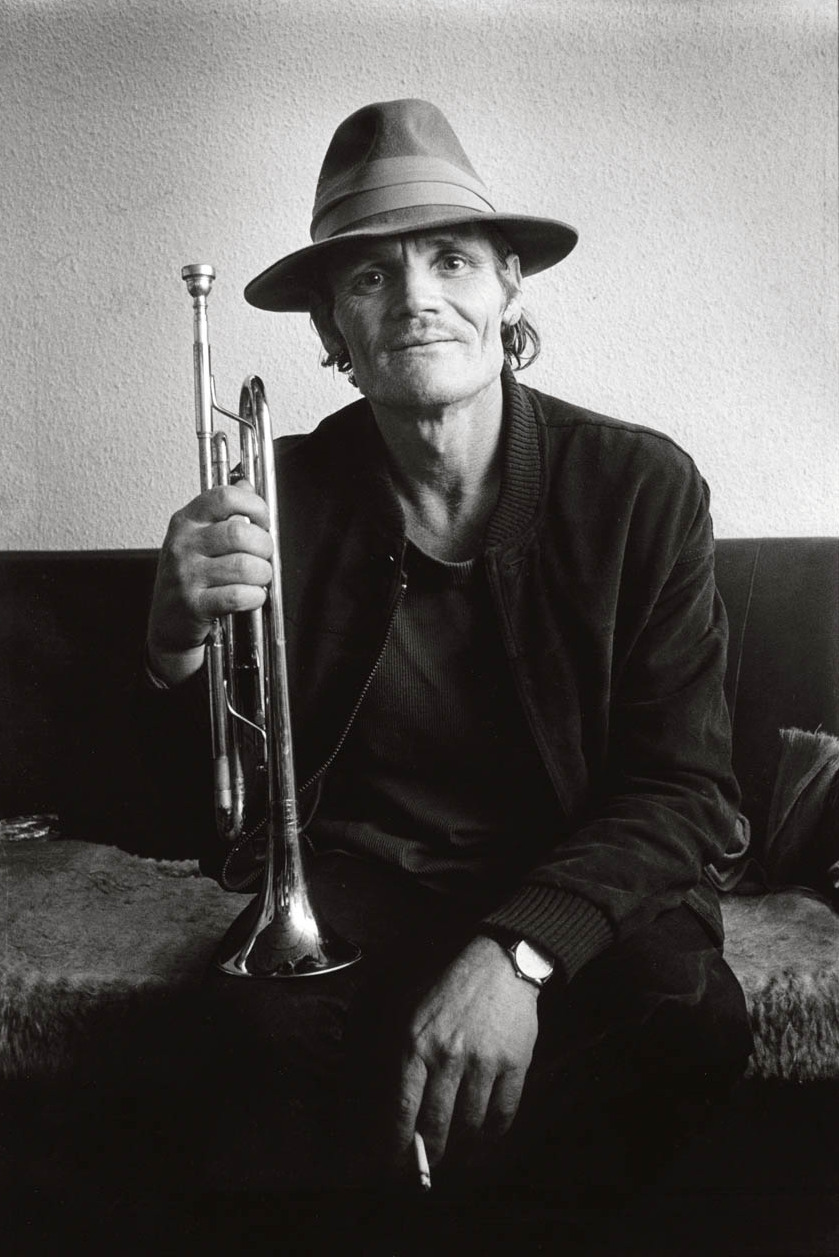
[Monday Notes No 33] In jazz, the voice often performs like a musical instrument, e.g. Billie Holiday has been known to imitate Louis Armstrong’s trumpet. Sometimes the reverse happens and it is the instruments that try to imitate the human voice. This is what happens in Little Girl Blue, performed by Chet Baker.Continue readingChet Baker, Little Girl Blue. The instrument as a voice